Archived entries for Reviews & Opinion

First Impressions of ‘Cognition: An Erica Reed Thriller’ [Episode 1]

Cognition: An Erica Reed Thriller

Back in August I shared the trailer for Cog­ni­tion: An Erica Reed Thriller , an episodic point-and-click adven­ture game that was Kick­started by Phoenix Online Stu­dios. (I won’t be sur­prised if you don’t remember/don’t care; that’s prob­a­bly one of the least-viewed posts on this blog. This one will prob­a­bly suf­fer the same fate, but I’m OK with that.) A few days ago the first episode was released and I’ve spent a good part of this dreary Sat­ur­day set­tling into its ser­ial killer mur­der mys­tery with a steam­ing chai latte.

It feels wrong to write a full-blown review for a game that only has one episode out so far, so instead I thought I’d share a list of first impres­sions which I’ve been adding to as I play through.

Good stuff:

  • Jane Jensen ( my favorite game designer ) served as story con­sul­tant on this game, and it shows. I can feel her touch all over it.
  • The 2D art style of the cut scenes and ani­ma­tion is very sim­i­lar to Gray Mat­ter. I hope that doesn’t sound like a complaint–I love Gray Mat­ter, and I real­ize this is prob­a­bly due to bud­getary constraints.
  • Right out of the gate, this game goes to some pretty dark places. Within the intro­duc­tory sequence I had to make a blood self-sacrifice and also attempted to burn a man alive. Huzzah!
  • Love the music. The intro song in par­tic­u­lar (after you play through the mau­soleum part) is fan­tas­tic. Dur­ing game­play the back­ground music is chill and pen­sive with an under­tone of inten­sity; per­fect for mur­der inves­ti­ga­tions. There’s also some spacey synth music on the map screen that sounds like it was bor­rowed from this track on the Nev­erend­ing Story sound­track. This is not a complaint.
  • The inter­face is very well thought-out and intu­itive. Inven­tory is a breeze to manage.
  • The cog­ni­tion abil­ity and the way you use it adds some unique game­play ele­ments. I like the way it was inte­grated into the puz­zles, using flash­backs to under­stand how objects were affected in the past so you can manip­u­late them in the present.
  • Great story so far and inter­est­ing mur­der M.O. Def­i­nitely not cookie-cutter.

Not-so-good stuff:

  • Decent voice act­ing, but it was hard for me to keep a straight face in some parts because of the Boston accents, which I find humor­ous. Noth­ing against you Boston­to­ni­ans, but those SNL skits (“ You are SO RET-AH-DED!” ) have ruined it for me.
Boston Teens
  • In some of the close-up scenes–like when you’re exam­in­ing the FBI’s wanted list, for example–the graph­ics look all choppy and pix­e­lated. I can live with it, but it does make the game seem a lit­tle rough around the edges.
  • The 3D ani­ma­tion isn’t bad, but leaves a lot to be desired. The move­ment is a lit­tle stiff and unnat­ural. Also, some­times the char­ac­ters look down or too far to the left or right and the irises of their eye­balls dis­ap­pear. It creeps me out.

Easter Egg!

In one of the scenes I found a poster for The Scar­let Furies , which is Jane Jensen’s step-daughter’s band. Ha!

The Scarlet Furies poster in Cognition

 Play the Game

Cog­ni­tion: An Erica Reed Thriller — Episode 1, as well as a Sea­son Pass for all the upcom­ing episodes, is avail­able for down­load via RainDG , GameStop , and Gamers­gate . In the future it might also be com­ing to Steam.

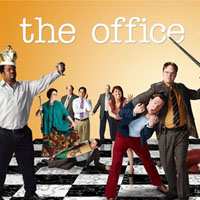
The Office’ Still Hilarious in its Final Season

The Office Season 9

Last night was the sea­son pre­miere of The Office . It’s the begin­ning of the end for NBC’s Thurs­day night com­edy sta­ple, as this will be the show’s 9th and final sea­son. Though I have my doubts about this sea­son due to the cast mem­bers who left, I’m just so excited and happy that it’s back .

Since Steve Carrell’s exit, not many peo­ple care about The Office any­more, and that’s just fine. For the major­ity of those peo­ple, Michael Scott was the anchor of the show and view­ers have steadily dwin­dled since his depar­ture (and also because Jim and Pam are all bor­ing nowa­days ).  I, how­ever, have been watch­ing the show since the begin­ning and still find it gen­uinely hilarious.

As much as I loved Michael Scott, for me, the fun­ni­est moments of the show are con­tributed by the quirky cast of sup­port­ing characters–Toby’s seem­ingly end­less mis­for­tune, Meredith’s drunken antics, Creed’s steadily-advancing senil­ity, Stanley’s reac­tions (of which there are only 2 pos­si­ble: un-amusement and dis­ap­proval), or Dar­ryl just being Dar­ryl. I loved it when they brought in Kathy Bates, I’m think Gabe is hilar­i­ous (though I’m cer­tain I’m in the minor­ity on that one), and I thought James Spader’s bizarre, awk­ward turn as Robert Cal­i­for­nia was bril­liant and it kept me watching.

Last night it was Kevin who got the most laughs from me. He opened the show with an anec­dote about a turtle–well, here, just watch it–I don’t want to ruin it:

Episode Review

SPOILER WARNING for the hand­ful of you out there who even still care what goes on at Dun­der Mif­flin.

The rest of the episode was a bit of a mixed bag, but not in a bad way. Andy is back as man­ager, much to Nellie’s cha­grin, and Erin is her usual ditzy, overly-enthusiastic self. Both Kelly and Ryan are gone (which is no sur­prise to any­one who’s been keep­ing up with cast­ing news) but we at least got to see them get a nice lit­tle send-off. Toby is, of course, thrilled at this devel­op­ment. Tak­ing their place are two new interns who have already been dubbed Mini Dwight and Mini Jim.

All is not well in Jimand­pam­lan­dia, how­ever. Jim seems to be grow­ing increas­ingly dis­sat­is­fied with his job/life and fan­ta­sizes about start­ing a new busi­ness with a buddy of his. Mean­while, Dwight is eager to prove him­self to the new guys and con­tinue to assert what­ever shred of author­ity he feels he has. Dwight is usu­ally my favorite char­ac­ter, but I just wasn’t feel­ing it in this episode. His antics were a lit­tle too ridicu­lous this episode, even for Dwight. I guess he’s gone a bit crazy, well, cra­zier than usual since learn­ing Angela’s baby isn’t his (sorry Team Dwan­gela). The most sur­pris­ing turn of events, how­ever, was learn­ing that Oscar is sleep­ing with Angela’s hus­band. BOOM, as Andy would say.

Oh, and this also hap­pened .

I think we’re in for a weird farewell season.

P.S. Will we ever get clo­sure on that whole Scran­ton Stran­gler thing?

Did Hogwarts really exist or was it all in Harry Potter’s head?

The Cupboard Under the Stairs

Today I came across this weird arti­cle in my news feed, which dis­cusses a the­ory about the Harry Pot­ter books I had never heard before:

“Here’s one that might be new to you: there’s a rumor going around that the entirety of the  Harry Pot­ter  fran­chise existed com­pletely within the realm of one trou­bled boy’s imag­i­na­tion — and that his abu­sive aunt and uncle drove him to insan­ity by mak­ing him live in a cupboard.”

Fas­ci­nat­ing. I did some addi­tional pok­ing around and found this lengthy post  (extreme tl:dr warn­ing!) on a phi­los­o­phy board about “The True Mean­ing of Harry Pot­ter” which sug­gests that the Harry Pot­ter series is about men­tal ill­ness and that Hog­warts is an insane asy­lum. “I’ve heard it sug­gested to me more than once that Harry actu­ally did go mad in the cup­board, and that every­thing that hap­pened sub­se­quently was some sort of fan­tasy life he devel­oped to save him­self,” Rowl­ing said in a behind-the-scenes inter­view with Steve Kloves for the Harry Pot­ter Wiz­ards’ Col­lec­tion box set. It’s inter­est­ing that she didn’t con­firm or deny it, though.

There’s cer­tainly plenty of evi­dence to sug­gest the “Harry is insane” the­ory could be true:

  • The Magic realm is invis­i­ble to Mug­gles (for the most part).
  • Harry’s pre-Hogwarts life with the Durs­leys could def­i­nitely be clas­si­fied as child abuse
  • The Durs­leys’ embar­rass­ment, fear and over-zealousness to rid Harry of any and all abnormalities
  • And per­haps most con­vinc­ingly, this quote spo­ken to Harry by Dum­b­le­dore toward the end of the last book: “Of course it is hap­pen­ing inside your head, Harry, but why on earth should that mean that it is not real?”

I’m sure you can con­jure up many addi­tional exam­ples that I haven’t both­ered to list. How­ever, I don’t believe any of these the­o­ries are true, or that mak­ing us believe some­thing wasn’t quite right in Harry’s head (other than that whole Volde­mort mind con­nec­tion thing) was ever J.K. Rowling’s intent.

These insan­ity the­o­ries are always fun to knock around, but they’re com­pletely sub­jec­tive and like most cre­ative inter­pre­ta­tions, you can find always find evi­dence to sup­port your wild the­o­ries if you squint your eyes and blur the details enough. Some peo­ple have a hard time sim­ply accept­ing things at face value and always try to search for a hid­den mean­ing; I guess in this case it’s because they don’t feel Harry Pot­ter is awe­some enough with­out some extra layer of head­trippy LIKE WHOA Sixth Sense “He was dead the whole time!” bullshit.

Not every­thing is a con­spir­acy the­ory, guys.

I’d rather be in a ‘Coma’ than waste 4 hours of my life watching this one.

I’m sorry, was that too harsh?

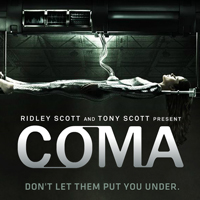
Last night’s con­clu­sion to A&E’s “four-hour epic mini-series” COMA  left me feel­ing incred­i­bly under­whelmed after what I felt was a solid opener. I’ll admit to falling prey to clever mar­ket­ing: for a made-for-TV movie, phrases like “pre­sented by Rid­ley Scott” and “star-studded cast” tend to res­onate with me. I mean, just look at the names at the top of this poster:

A&E's COMA

Geena Davis? James Woods? Richard Drey­fuss? Ellen Burstyn? Rid­ley and Tony Scott (R.I.P.)? Plus, a dis­turbingly creepy sci-fi/medical mys­tery? How can this go wrong?

The answer is every which way imag­in­able . First of all, even though it’s “pre­sented” by the Scotts, it’s not directed by either one of them so don’t bother get­ting excited about that. Sec­ondly, even though it boasts some big names, the major­ity of COMA stars Lau­ren Ambrose and Steven Pasquale, and nei­ther of them are exactly what I’d call a great actor. Out­side of the big stars, the act­ing was pretty atro­cious all around, but bad dia­logue is cer­tainly to blame as well. Though it had slick pro­duc­tion val­ues and looked good for a TV movie, the direc­tion and edit­ing felt on par with an episode of CSI. Blah.

The biggest prob­lem with COMA, how­ever, is how painfully obvi­ous the plot is. I con­fess, I have not read the best­selling book this movie was based on, nor have I seen the orig­i­nal 1978 film. From what I under­stand, it’s one of those twisty-turny thriller types with a lot of slow-building ten­sion and a huge twist end­ing. That’s a movie I would like to see. A&E’s ver­sion, how­ever, seems to spoil the mys­tery early and spends the rest of the time beat­ing you over the head with it. Once you know what’s really going on at the creepy Jef­fer­son Insti­tute, there’s no rea­son to keep watch­ing. Every scene is painfully dragged out and felt like it was padded to fill up the four-hour time slot. By the third hour, I was bored out of my mind and kept watch­ing out of sheer des­per­a­tion that it would get better.

This is one of the first times in a long time that I’ve actu­ally made an effort to com­mit to a “two-night tele­vi­sion event,” as I typ­i­cally pre­fer to let them pass me by and wait for the reviews to roll in before decid­ing if it’s worth my time. I sorely regret not hav­ing done so in this case. I mean, four hours is a LOT of time to com­mit to some­thing that sucks this much, so con­sider this a pub­lic ser­vice announce­ment if you haven’t seen it yet.

ShezCrafti’s Rating:

4 out of 10 stars.


Did ‘Breaking Bad’ just completely break bad?

Breaking Bad

Spoiler Alert

Warn­ing: if you’re not com­pletely caught up with Break­ing Bad , you read this post at your own risk. Spoil­ers are guaranteed.

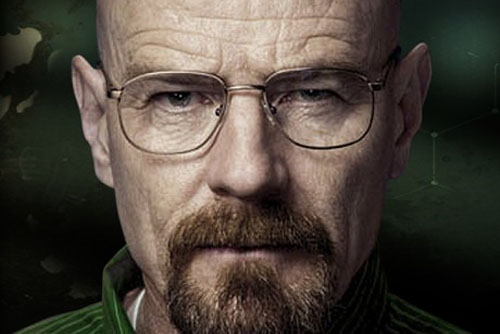
Tonight’s episode of Break­ing Bad left with me with a very uncom­fort­able feeling–but uncom­fort­able in a good way because it means the show is liv­ing up to its name. Every episode is a mas­ter­stroke of drama and ten­sion that pushes Wal­ter White one step closer to the edge; a pre­cise, carefully-balanced formula,just like the one he uses to cook meth, that keeps me addicted. But I think tonight’s episode was a stand­out, and pos­si­bly the defin­i­tive point on the time­line of Walter’s trans­for­ma­tion into the antihero.

Who is Wal­ter White now? Do you rec­og­nize him any­more? For the first time in the series I feel as if I don’t. We’ve known from the begin­ning that Break­ing Bad is a show about a man who goes from good to bad. We’ve been wit­ness­ing his dis­turb­ing meta­mor­pho­sis since the first episode, lit­tle by lit­tle, as he unrav­els. But up until tonight, I was still kind of root­ing for the guy. I can’t say that anymore.

Walter Winking

I think Wal­ter has almost com­pletely lost his shit by now. There were a cou­ple of moments tonight that really brought this home: his happy whistling after Jesse’s break­down over the mur­dered child, his not-so-subtle power play with Skyler at din­ner (was that not the most awk­ward din­ner scene EVER?), and most of all, his insane-sounding tan­gents about wealth and power that clearly indi­cate he’s will­ing to sac­ri­fice every­thing for it.

As Jesse so aptly points out, when Wal­ter got started in the meth game, his goal was $737,000. Tonight we saw Wal­ter turn his back on $5 mil­lion. He claims his busi­ness is the only thing he has left, despite the two chil­dren he’s been neglect­ing for sev­eral episodes now. Even more chill­ing is Walter’s skill­ful manip­u­la­tion of Jesse’s emo­tions and the bla­tant dis­re­gard for his well being–as long as Wal­ter con­tin­ues to ben­e­fit from the rela­tion­ship, it seems he’ll con­tinue to pull Jesse’s strings.

There may not have been much action in tonight’s episode, but I think it will go down as one of the most impor­tant in the series for Walter’s char­ac­ter devel­op­ment. He seems com­pletely detached from his for­mer life at this point, spi­ral­ing ever down­ward into…well, what, exactly? How much darker can the show get? To what extremes will Wal­ter go for his “empire?” I have a sink­ing feel­ing we haven’t seen any­thing yet.

By the time Break­ing Bad is over, I wouldn’t be sur­prised if we see Wal­ter kill a mem­ber of his own fam­ily. Or worse.

Yes Virginia, there is a perfect super hero trilogy: ‘The Dark Knight Rises’

The Dark Knight Rises

(This is a spoiler-free review.)

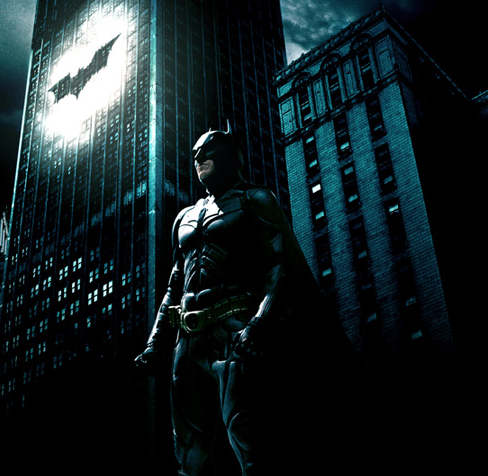
Up until approx­i­mately 3:00 AM this morn­ing, I didn’t believe that a per­fect super­hero tril­ogy existed. The Dark Knight Rises changed my opinion.

Now, when I say “per­fect,” I don’t nec­es­sar­ily mean that each indi­vid­ual movie is per­fect in and of itself, for I cer­tainly have nit­picks with all of them. I’m refer­ring instead to the tril­ogy as a whole, a sin­gu­lar entity, which is the first super­hero tril­ogy ever to make good on its promise of deliv­er­ing three solid, con­sis­tent films while avoid­ing what one fel­low blog­ger friend of mine calls “The Super­hero Curse of Three.”

I want to start off by talk­ing about the film’s pac­ing, which is always a con­cern when a movie is as long as the run­ning time of The Dark Knight Rises (a whop­ping 168 min­utes!). I spent so much time on the edge of my seat or engrossed in the story that I never had a chance to “feel” the two hours and forty eight min­utes, nor was there ever a moment when I felt the film dragged.

If I had to sum up  The Dark Knight Rises  in one word: intense. Going in, I was skep­ti­cal that direc­tor Christo­pher Nolan would be able to top his estab­lished vision of ter­ror and despair for Gotham City that we saw in Bat­man Begins and more so in  The Dark Knight , but my God he does it. This is unques­tion­ably the dark­est, bleak­est Bat­man film yet. And its main vil­lain, Bane, is utterly terrifying—once you get used to his voice, that is.

Bane

I'VE SEEN SOME SHIT The film wastes no time estab­lish­ing Bane (Tom Hardy) as a man who—to put it bluntly— is not to be fucked with .  His very pres­ence is men­ac­ing and the acts of extreme vio­lence and ter­ror he com­mits against the cit­i­zens of Gotham City had me gasp­ing in dis­be­lief. Nolan doesn’t hold any­thing back here. Imag­ine the worst ter­ror­ist act you can think of. Now mul­ti­ply that by eleven—that’s how Bane rolls. You thought The Joker was badass? Psh!

But Bane isn’t just a heart­less vil­lain arche­type. He’s given a back­story that slowly unfolds through­out the film and cul­mi­nates in a rather shock­ing twist end­ing that will make you actu­ally feel for the guy. When we finally learn his true motives, we’re also given answers to ques­tions we’ve had since Bat­man Begins con­cern­ing The League of Shad­ows. I don’t want to say too much more for fear of tread­ing into spoiler territory.

The per­for­mances were incred­i­ble all around, but I’d espe­cially like to com­mend Michael Caine (who damn near made me cry) and The Bat­man him­self, Chris­t­ian Bale; of the three films, I feel this is by far and away his best. I really bought his pain and suf­fer­ing, and the emo­tional tran­si­tions he goes through as Batman’s story builds to an epic con­clu­sion. New­com­ers Joseph Gordon-Levitt (as Detec­tive John Blake/mystery char­ac­ter who isn’t revealed until the very end of the film) and Mar­ion Cotil­lard (as Miranda) are also impres­sive, but I was really sur­prised by Anne Hath­away as Cat­woman. I’ve said before that I’m not really a fan of hers, and I feared her scenes in this film would be campy and irrev­er­ent. But DAMN she seems to have been born for this role.

Bruce Wayne & Selina Kyle

Have I men­tioned how spec­tac­u­lar the action sequences are yet? I caught myself wring­ing my hands in ner­vous excite­ment as   the action unfolded before my eyes, being so caught up in the moment of every­thing, unsure of what would hap­pen next. The visu­als, direc­tion, spe­cial effects, sound, editing—all of it—mindblowing. It truly is an epic cin­e­matic expe­ri­ence that deserves to be seen on the big screen. And when you hear it all set to Hans Zimmer’s raw, pow­er­ful score, you will feel it in your bones.

And how about that end­ing, huh!? Huh!? That fuck­ing beau­ti­ful end­ing! (How much do you hate me right now?) For real, though, I am wholly sat­is­fied with Nolan’s vision of Bat­man and the con­clu­sion he brings to Batman’s story. I left the the­ater in awe. Chris Nolan, you have out­done your­self. Thank you for giv­ing us this amaz­ing tril­ogy. It is a masterpiece.

Run, do not walk, to the the­ater to see The Dark Knight Rises .

ShezCrafti’s Rating:

10 out of 10 stars.


I Couldn’t Put Down ‘Thomas Was Alone’ Until I Beat It

Thomas Was Alone

A sure sign that a game is good: sit­ting down to play it and not stop­ping until you’ve beaten it.

I woke up this morn­ing to the news that Thomas Was Alone had been released and promptly forked over $10 for it. It had been on my radar for a cou­ple of months due to the rave reviews it’s been get­ting, but it was Ind­ie­Games’ descrip­tion of it as “the Por­tal 2 of the indie world”  that sold me. I pro­ceeded to fork over the rest of my Sat­ur­day as well, because I soon learned this game is highly addictive.

Designed and devel­oped by Mike Bithell,  Thomas Was Alone is an indie puzzle/platformer with min­i­mal­ist graph­ics but a bril­liant, well-developed nar­ra­tive. You begin the game as Thomas, a sim­ple red rec­tan­gle, and you are indeed all alone as the British nar­ra­tor (voiced by Danny Wal­lace) guides you through the game’s begin­ning lev­els that acquaint you with some of the con­trols and obsta­cles you’ll encounter through­out the game’s 100 levels.

As you move through the lev­els, you’re intro­duced to other char­ac­ters who are also quad­ran­gles with dis­tinc­tive per­son­al­i­ties, each one with a unique ability–often one that appears to be a lim­i­ta­tion at first. For exam­ple, there’s Claire, a rather depress­ing large blue square who laments that she can’t jump very high, only to later find out she can float in the poi­so­nous water that would oth­er­wise kill Thomas and his acquain­tances. This makes Claire feel like a super­hero and gives her a renewed sense of pur­pose as she’s excited to show off her abil­i­ties and come to her friends’ rescue–just one exam­ple of how the game breathes life into its char­ac­ters. Yes, this game made me empathize with col­ored shapes!

Claire

Thomas gets by with a lit­tle help from his friends.

Actu­ally, I wouldn’t be sur­prised if  Thomas  was inspired, at least in some small part, by the clas­sic car­toon  The Dot and the Line  which kept pop­ping into my head as I was play­ing through, and I couldn’t help but draw com­par­isons between the nar­ra­tion styles. The char­ac­ters in Thomas Was Alone also grap­ple with feel­ings of lone­li­ness, inse­cu­rity, romance, and the desire to find their place in the artificially-rendered world in which they find themselves.

Let’s talk about the audio for a minute, because it’s fan­tas­tic. In fact, the first thing I noticed was the game’s gor­geous music, which was com­posed by David Hous­den. Retro gam­ing fans will also appre­ci­ate the Atari-esque sound effects when you jump and com­plete goals; it makes for an inter­est­ing fusion of old and new.

Move­ment is sim­ple: arrow keys to move, space bar or the “up” arrow to jump. You must also use Tab (or the Q key) to switch between char­ac­ters for most lev­els where you’ll be required to make them work together to solve puz­zles. Stand­ing on the extreme edge of things is going to be your bread & but­ter maneu­ver in most cases, using the flat sur­faces of the shapes to your advan­tage.  At times I found myself really wish­ing I was using a con­troller, as some of the jumps are pretty dif­fi­cult to land and there are obsta­cles like mov­ing plat­forms and spiked bar­ri­cades to con­tend with that require pre­cise tim­ing. But by around the twen­ti­eth level or so I was more than com­fort­able with the keyboard.

Puzzle

Level 5.0 is where the anti-gravity kicks in and things start to get a lot more chal­leng­ing; I felt like a genius when I finally fig­ured out the twist in level 5.6.  Though there are 100 lev­els, some of them are much eas­ier than oth­ers and you’ll most likely breeze right through. Over­all, the game presents a good mix of dif­fi­cult and easy puz­zles, some of which seem to exist to fur­ther the story along. On the other hand, there were lev­els that had me com­pletely stumped for 30 min­utes or more. In total, I think I spent a good 5 –6 hours on the game, with the excep­tion of a few breaks.

There isn’t much neg­a­tive I can say about the game, other than the few small glitches I encoun­tered where my char­ac­ter got stuck to the side of a plat­form. In one case it was actu­ally help­ful to get past an obsta­cle, but I’m pretty sure that’s not how I was meant to do it. I also felt the end­ing was a lit­tle lack­ing, but still satisfying.

ShezCrafti’s Rating:

8 out of 10 stars.


The Pact’ Totally Creeped Me Out

The Pact - My Review

On a whim I decided to watch The Pact last night, an inde­pen­dent hor­ror film from the fes­ti­val cir­cuit that’s cur­rently avail­able On Demand.

I’m gen­er­ally pretty jaded when it comes to most mod­ern hor­ror films, which, more often than not, are cheap scare fests with vapid, one-dimensional char­ac­ters that reveal too much and rely too heav­ily on flashy spe­cial effects. I was fully expect­ing as much from The Pact , whose premise and above poster remind me of another recent hor­ror film, Dream House ,  in which I was extremely dis­ap­pointed because it vio­lates all of the above.

Thank­fully that wasn’t the case for The Pact . It’s a method­i­cally paced creeper of a film that takes its time build­ing up to the big scares, all the while keep­ing things suf­fi­ciently spooky with plenty of Poltergeist-like phe­nom­ena that made my hair stand on end.

The Pact

Caity Lotz (whom I found quite mes­mer­iz­ing) stars as Annie Bar­low, a young woman who returns to her child­hood home fol­low­ing the death of her mother and sub­se­quent dis­ap­pear­ance of her sis­ter. We learn that she’s been detached from her fam­ily for quite some time, hav­ing sur­vived trau­matic abuse that’s only hinted about in the film, which leaves much open to inter­pre­ta­tion later on. This isn’t a film that wraps every­thing up neatly in a bow; you’re left to your own devices to make sense of the plot and end­ing, which, frankly, I found refresh­ing. I enjoy movies that force you to pay atten­tion to sub­tle clues and con­nect the dots for your­self. And because I’d rather you expe­ri­ence it for your­self, I won’t spoil any­thing for you.

For a film that takes place pri­mar­ily inside of a tiny, two-bedroom rancher in Cal­i­for­nia, The Pact drips with atmos­phere.  I’m usu­ally not a fan of haunted house type movies that take place in such loca­tions, pre­fer­ring dreary, driz­zly, or win­try cli­mates to the sunny back­drop of Cal­i­for­nia, but The Pact makes it work with grim light­ing, deep, dark shad­ows and min­i­mal­ist but effec­tive score. I was also very impressed with Nicholas McCarthy’s direc­tion, who makes his feature-length debut with this film. I’ll def­i­nitely be look­ing for­ward to what­ever his next project will be; hope­fully another hor­ror film like this one.

ShezCrafti’s Rating:

6 out of 10 stars.


I like Adam Sandler, I just don’t like most Adam Sandler movies.


Adam Sandler Unfunny

So, Adam San­dler has a new movie com­ing out. I can prac­ti­cally feel your excite­ment per­me­at­ing through my screen.

Regard­less if you like the guy or not, I think we can all agree the ratio of ter­ri­ble Adam San­dler films to good Adam San­dler films is pretty unfavorable.

Let’s go through the list, shall we?

Good Adam San­dler movies:

  • Air­heads (1994)
    I know this isn’t tech­ni­cally an “Adam San­dler film”, but I’m includ­ing it for pity’s sake.
  • Billy Madi­son (1995)
  • Happy Gilmore (1996)
    Which is really just Billy Madi­son golf­ing.
  • The Wed­ding Singer (1998)
    Which has less to do with Adam San­dler and more to do with it being set in the ‘80s and star­ring Drew Bar­ry­more, whom I adore.
  • Big Daddy (1999)
  • 50 First Dates (2004)
    I’ll give this one a pass (again, saved by Drew Bar­ry­more) even though it’s just rinse & repeat of the Wed­ding Singer for­mula. 

I can’t help but notice that most of these movies are from early in Adam Sandler’s film career. It could be that San­dler blew his comedic wad too soon, but I’m more inclined to believe that Fry’s analy­sis is accurate:

I'm not sure if Adam Sandler used to be funny or I was just 12.

Bad Adam San­dler movies:

  • The Water­boy (1998)
    Yeah I know, there are a lot of you out there who love this film and I admit it has its moments, but even Fairuza Balk and Kathy Bates, whom I both love, couldn’t save it for me.
  • Bul­let­proof (1996)
  • Lit­tle Nicky (2000)
  • Punch-Drunk Love (2002)
  • Mr. Deeds (2002)
  • Eight Crazy Nights (2002)
  • Anger Man­age­ment (2003)
  • Spang­lish (2004)
  • The Longest Yard (2005)
  • Click (2006)
  • Bed­time Sto­ries (2008)
  • You Don’t Mess with the Zohan (2008)
  • I Now Pro­nounce You Chuck & Larry (2007)
  • Funny Peo­ple (2009)
  • Grown Ups (2010)
  • Just Go With It (2011)
    I’m not much of a Jen­nifer Anis­ton fan, so this one was two scoops of fail for me.
  • Jack and Jill (2011)

Clearly, the list of bad Adam San­dler movies is sub­stan­tially longer.

I’m sure some of you are also going to give me flack about Punch-Drunk Love and Spang­lish , which are more seri­ous films that Adam San­dler fans love to hold up as proof of his sup­posed act­ing “range” and “abil­ity.” I’m sorry, maybe I’m just pre-conditioned from decades of movies where Adam San­dler acts like a com­plete idiot, but I’ve seen both of these movies and nobody has been able to suc­cess­fully con­vince me they’re any good. (I’ve yet to see  Reign Over Me , so I’ll reserve judge­ment on that one.)

Red Hooded Sweatshirt Adam San­dler is fun­ni­est, even charm­ing, when he’s just being him­self. Give me  Red Hooded Sweat­shirt  San­dler over any of his dumb movie char­ac­ters any day. Hell, I’ll even set­tle for Jimmy Fallon’s Celebrity Jeop­ardy impres­sion of Adam San­dler over the likes of Zohan or Jill.

I don’t dis­like Adam San­dler. Hon­estly, I don’t. He has a lot of good ideas (which would prob­a­bly be bet­ter exe­cuted by some­one else) and he’s con­tributed a lot to his craft. I just think the guy tries too hard.

By the way, here’s the trailer for That’s My Boy , that new Adam San­dler movie I men­tioned earlier.

I won’t pay to see it in a the­ater, but I’m sure I’ll catch it on Net­flix or cable even­tu­ally because I enjoy tor­tur­ing myself I keep hold­ing out hope that one of these days Adam San­dler is going to make a good movie again.

Are you offended by this tentacle rape card game? [Updated]

Tentacle Bento = Tentacle Rape?

So appar­ently there’s a crowd­funded card game on Kick­Starter called Ten­ta­cle Bento , which recently sur­passed and more than dou­bled its $13,000 fundrais­ing goal and still has 24 days left in the cam­paign. Why is it so pop­u­lar? Well for one thing, it’s got plenty of super cute anime girls for you to ogle, and oh yeah–it’s about (implied) ten­ta­cle rape!

Note  the “implied.” That’s key for the point I’ll make in a bit.

In Ten­ta­cle Bento, a trick tak­ing card game by Soda Pop Minia­tures , you play as an alien mon­ster dis­guised as a stu­dent at an all-girl uni­ver­sity whose mis­sion is to “get your slimy ten­ta­cles on as many of the stu­dent body as you can before time runs out.” You do so by cor­ner­ing girls (who are rep­re­sented by the four suits of Cute, Sexy, Sporty and Smart) in loca­tions such as The Fresh­man Dorm and by lay­ing down “Sneaky Snatch Action” cards.

I heard about the game on Twit­ter when @stillgray tweeted a link to this rather assertive post by Bran­don at Insert Credit that pretty much dis­misses the game as noth­ing but offen­sive, rape-glorification mate­r­ial that shouldn’t be allowed on KickStarter:

“The style is a cute, light­hearted, pastel-colored look at the won­der­ful world of forc­ing your way inside a female against her will. There are, to my mind, a lot of things wrong with this.

For one thing, rape is not cute.  Amnesty Inter­na­tional states  that 1 in 3 women is molested, sex­u­ally assaulted, or oth­er­wise beaten in her life­time. I’ve heard many advo­cates say this num­ber is low, due to under-reporting. And it’s not cute, and should never be depicted with such sac­cha­rine sweet­ness as Ten­ta­cle Bento does. It is ter­ri­bly dam­ag­ing to any­one it hap­pens to.

The more trou­bling thing is how many peo­ple are sup­port­ing it with­out think­ing about it. Or even worse, maybe they  are  think­ing about it.”

While I’m in total agree­ment with Brandon’s posi­tion on rape, I can’t say I agree that Ten­ta­cle Bento is as bad as he’s mak­ing it out be–which is a shame because I had my pitch­fork all cleaned up and ready to go.

After read­ing the Kick­Starter project page, watch­ing the video and look­ing closely at the cards, I’ve come to the con­clu­sion Ten­ta­cle Bento is a rel­a­tively harm­less slice of tongue-in-cheek humor aimed at anime fans and yes, those weirdos with a ten­ta­cle fetish who are gen­uinely turned on by the idea of being sex­u­ally probed by ten­ta­cles (which, frankly, I will never under­stand, but if that’s your thing, hey).  How­ever, I’d wager that for most of the world ten­ta­cle rape fetish is a fringe curiosity–just one more biz­zarre thing to come out of Japan, like used panties vend­ing machines .

Like Munchkin or Killer Bun­nies , this is the type of par­ody card game you whip out at a party to play with your nerdy friends while drink­ing and hav­ing a good laugh about ter­ri­ble anime. Because it’s a card game, and not say, a film or videogame, if there’s any actual “rape” in this game, it exists solely in the player’s imag­i­na­tion. The project descrip­tion and video don’t use the word “rape” either, but even as implied rape  I’m not offended. There’s a major dif­fer­ence between the real­ity of being bru­tally raped by another human being and this breed of bizarre alien fetish porn that is the stuff of fantasies.

Look­ing through the com­ments sec­tion, I’m inclined to believe the peo­ple who are donat­ing money to this project are not the pro-rape, women-hating, sex­ual assault apol­o­gists the arti­cle above would have you believe. They’re just a bunch of dorks who want a cute, funny, mildly-inappropriate card game to play–and some of them are even women.

Update 5/16 — Well, looks like Kick­Starter has given in to the few overly sen­si­tive peo­ple out there cry­ing “rape!” because the Ten­ta­cle Bento project has now been pulled–which I’m sure has a lot to do with Luke Plunkett’s hit piece for Kotaku. I’m really dis­ap­pointed in KickStarter’s deci­sion to cen­sor this project. What will they cen­sor next? Leisure Suit Larry ?

’21 Jump Street’ is Surprisingly Not Terrible, Almost Makes Me Pee

21 Jump Street

The orig­i­nal  21 Jump Street was one of those ‘80s shows that seemed really cool at the time but look­ing back on it nowa­days you’re embar­rassed you ever liked it. It’s worth watch­ing for the glimpse at Johnny Depp’s early, pre-superstardom career and per­haps as a fun stroll down Regret­table ‘80s Fash­ion Lane, but not much else.

So when I heard about the new 21 Jump Street movie I wasn’t exactly quiv­er­ing with antic­i­pa­tion in my sparkly leo­tard. If not for the recent over­abun­dance of pseudo-nostalgic reboots of pop­u­lar TV shows from my youth, I might have been a lit­tle more excited about it, but my ini­tial reac­tion was a full-fledged “meh.”

After see­ing the film last night and laugh­ing so hard I almost peed myself (seri­ously), I’m com­pletely rethink­ing that position.

Like the premise of the orig­i­nal show, 21 Jump Street is about a spe­cial unit of young cops who go under­cover to fight youth-related crime. In this case it’s the awesomely-named Schmidt (Jonah Hill) and Jenko (Chan­ning Tatum), two under­achiev­ing cops forced to go back to high school in order to bring down a syn­thetic drug ring, with the fun twist that they used to be ene­mies in their own high school days.

Have you ever seen  The Other Guys ? Well  21 Jump Street  is kind of like that except set in a high school and Ice Cube is there to make it more awe­some and uncomfortable.

Ice Cube in 21 Jump Street

For­go­ing the cheesy teen melo­drama that the orig­i­nal series was known for, the new 21 Jump Street is all com­edy. While Jonah Hill and Chan­ning Tatum are hilar­i­ous together, I think the real source of the com­edy is in the editing.

As fod­der for funny quotes and ani­mated GIFs, 21 Jump Street is a gold­mine.  At the cen­ter of the plot is the fic­tional syn­thetic drug HFS (short for Holy Fuck­ing Shit) which has five phases:

  • Phase 1: The Giggs
  • Phase 2: Trip­ping Major Ballsack
  • Phase 3: Over-Falsity of Confidence
  • Phase 4: Fuck Yeah Motherfucker!
  • Phase 5: Asleepyness

Through­out the movie you’ll see var­i­ous char­ac­ters take the HFS drug and react accord­ingly, while help­ful on-screen title cards announce what phase you’re wit­ness­ing. It hilar­i­ous, trust me.

If you are a diehard fan of the orig­i­nal show you’ll prob­a­bly be dis­ap­pointed to know that the new film is noth­ing like it aside from its premise and the  Johnny Depp / Richard Grieco dou­ble cameo that you’ll have to wait over an hour and a half to see.

At a run­ning time of 109 min­utes, my biggest com­plaint is that the movie is too long for a goof­ball com­edy and toward the end I felt it was get­ting old. There’s a lengthy car chase scene with a run­ning gag where you keep expect­ing an explo­sion, and when it finally does hap­pen you’re just kind of like “meh,” which sums up how I felt about see­ing this film in the first place.

ShezCrafti’s Rating:


6 out of 10 stars.

American Reunion’ a Hilarious & Fitting End to the American Pie Franchise

American Reunion Review

Note: for max­i­mum preser­va­tion of lulz, this is a spoiler-free review!

Being a grad­u­ate of the Class of ’99 and hav­ing grown up along with the Amer­i­can Pie gang, it was inevitable that I’d see Amer­i­can Reunion , the fourth and final film in the Pie fran­chise that takes place 13 years after the original.

There’s a rea­son why these films are con­sid­ered by many to be clas­sics (with the excep­tion of those hor­ri­ble straight-to-video cheap spin-offs ). For those of us squarely in their tar­get demo­graphic, the Amer­i­can Pie films are like mile­stones by which we can mea­sure our own lives:

  • 1999: Amer­i­can Pie came out. I had just grad­u­ated high school. Prom (and dis­pos­able boyfriend) was behind me. My friends were the most impor­tant thing to me in the world.
  • 2001: Amer­i­can Pie 2 came out. I was in col­lege, had started my first “real” job, and was try­ing to fig­ure out what to do with my life in between par­ty­ing and try­ing to hold on to my youth.
  • 2003: Amer­i­can Wed­ding came out. I was in love, engaged, and look­ing for­ward to my own wed­ding. (It didn’t end well, by the way, but that’s a whole ‘nother story.)

So last night it was with great inter­est and pangs of nos­tal­gia that I went to the the­ater to see Amer­i­can Reunion .

From the moment I heard the first lines of R. Kelly’s glo­ri­ously cheesy sex anthem Bump N’ Grind –the film’s open­ing song–I knew I was in for some seri­ous laughs. Actu­ally, there were very few moments dur­ing the whole film when I–along with every­one else at the theater–wasn’t in hys­ter­ics. Like the pre­vi­ous films, Amer­i­can Reunion opens with a spec­tac­u­larly raunchy gag that made me glad I decided to skip the soda.

Amer­i­can Pie fans will be happy to know that every­one from the entire orig­i­nal cast has reunited for this film–and I mean every­one . Just when you’re think­ing “Hey, where’s so-and-so?” that char­ac­ter shows up; usu­ally to great comedic effect.

Thir­teen years later, we learn Jim (Jason Biggs) and Michelle (Alyson Han­ni­gan) are still mar­ried but now with a tod­dler and fiz­zling sex life, Kevin (Thomas Ian Nicholas) is an archi­tect and hap­pily mar­ried, Chris/“Oz” (Chris Klein) is a famous sports­caster and TV per­son­al­ity with a huge L.A. man­sion and a tro­phy girl­friend, and Sti­fler (Seann William Scott) is a temp at a large invest­ment firm.  Oh, and  Finch (Eddie Kaye Thomas)? He’s essen­tially “the most inter­est­ing man in the world” to have ever grad­u­ated East Great Falls High , but that’s all I will tell you with­out spoil­ing anything.

American Reunion: The gang's all here.

Every­thing that made you fall in love with these char­ac­ters in the first place is present and accounted for:  Jim’s awk­ward con­ver­sa­tions with his Dad, Finch’s too-cool-for-school atti­tude, Kevin’s wist­ful inter­ludes with Vicky, Oz and Heather’s elu­sive romance, and Stifler’s oblig­a­tory obnoxiousness.

Although the premise is a lit­tle flimsy (a 13-year high school reunion?), you’ll be laugh­ing so hard it won’t even mat­ter.  You know those come­dies that blow their wad early by includ­ing all the fun­ni­est bits in the trailer ? I can assure you that’s not the case here. It’s not just a film full of sex jokes or one-liners, either (even though there’s plenty of that too).  Some of the gags are pretty elab­o­rate and the pay­offs are huge. (Again, so glad I opted not to drink anything.)

But Amer­i­can Reunion is not with­out a few seri­ous moments too.  The film is anchored by the rela­tion­ship between Jim and Michelle and Stifler’s grow­ing fear and ulti­mately real­iza­tion that his best days are behind him.  The char­ac­ters are han­dled with care and I felt each of their sto­ries was given a sat­is­fy­ing con­clu­sion. Clearly a lot of care and atten­tion to detail went into this movie, and it def­i­nitely shows in the cast performances.

Oh! I also wanted to be sure to men­tion the sound­track, which I found to be an enjoy­able blend of old and new. There’s cur­rent big hits ( You Make Me Feel, Sexy and I Know It, Every­body Talks… ) as well as songs that took me right back to high school ( Wannabe, My Own Worst Enemy, Clos­ing Time… ).  Fans will also rec­og­nize a few songs from the pre­vi­ous films that reprise their role as theme music for the char­ac­ters. It’s also worth men­tion­ing how mas­sive the Amer­i­can Reunion sound­track is–60 songs! But don’t expect to be able to pur­chase a com­plete one  yet.

In this dis­ap­point­ing era of Amer­i­can cin­ema where sequels and remakes are the norm and our child­hoods are con­stantly being plun­dered , I found myself really sur­prised by Amer­i­can Reunion .  Now please don’t make any more Amer­i­can Pie films so we can end this thing on a high note!

ShezCrafti’s Rating:

9 out of 10 stars.


Review: ‘Starry Starry Night’ is a Beautiful, Imaginative Coming of Age Film

Starry Starry Night 2011 Film

You’ve prob­a­bly never heard of the Tai­wanese film Starry Starry Night , a com­ing of age drama directed by Tom Lin that was released in late 2011. I had cer­tainly never heard of it until a few weeks ago when it popped up in my DVD rec­om­men­da­tions over at YESASIA , and every­thing I read about it just seemed so appeal­ing to my inter­ests that I couldn’t resist pick­ing it up.

Jimmy Liao - Starry Starry Night Illustration

The film is an adap­ta­tion of a children’s book by Jimmy Liao , a Tai­wanese illus­tra­tor and pic­ture book author renown for his melan­choly depic­tions of child­hood using vivid col­ors and strik­ing visuals.

The story cen­ters on Mei, a bright, sen­si­tive but lonely 13-year-old girl who is deal­ing with a lot of issues in her young life. She’s quiet and with­drawn at school, her par­ents are on the brink of divorce and barely notice her, her mother is grow­ing increas­ingly dis­tant and drinks too much, and her grand­fa­ther, whom she loves more than any­one else in the world, is in very poor health.

Mei is a very imag­i­na­tive girl who fills her days with art, puz­zles, day­dreams, and yearns for the days when she used to live with her grand­par­ents at their cot­tage in the moun­tains. One day around Christ­mas­time, Mei hears beau­ti­ful recorder music out­side her bed­room win­dow and sees that its being played  by a young boy, who is at the win­dow of a neigh­bor­ing apartment.

Mei & Jay - Starry Starry Night

The boy turns out to be Jie, a new stu­dent at Mei’s school who is a bud­ding artist also deal­ing with many issues of his own. His artis­tic tal­ents and cocky atti­tude make him an easy tar­get for the other boys at the school who con­stantly bully him. Mei can’t help but feel drawn toward Jie, and after a series of rocky events in both their lives, the pair begins a tremu­lous friendship.

As Mei and Jie’s rela­tion­ship blos­soms, they both begin to over­come their lone­li­ness and adver­sity while try­ing to cope with the ongo­ing harass­ment of their class­mates. There is a strong under­cur­rent of desire between the two leads, who grow closer and closer and even­tu­ally run away together on a fan­tas­tic adven­ture. Their sum­mer romance is short-lived, but sets in motion the events that will for­ever change both of their lives.

Origami Coming to Life

Starry Starry Night has been described as a “visual feast” for its beau­ti­ful cin­e­matog­ra­phy that blends together rich, imag­i­na­tive visu­als with dra­matic light­ing and shadow play.  The film is punc­tu­ated by gor­geous CGI fan­tasy sequences where Mei’s imag­i­na­tion takes over, as she envi­sions inan­i­mate objects—her grandfather’s wooden ani­mal carv­ings, col­or­ful pieces of origami, fan­tas­tic shadow beasts—coming to life all around her. This focus on Mei’s imag­i­na­tion as an exten­sion of her character’s hopes and dreams is a beau­ti­ful way of look­ing at the world through a child’s lens.

The mes­mer­iz­ing score is another ele­ment that adds to the dream­like qual­ity of the film. It’s a mix­ture of del­i­cate music box melodies, and sweep­ing, ethe­real lul­la­bies that really makes the imagery soar.

Mei & Jie - Starry Sky

There are a few flaws, how­ever, such as the film’s some­times labo­ri­ously slow pac­ing; but at least the film’s unques­tion­able beauty makes the jour­ney worth­while. There are also some direc­to­r­ial choices that pile on too much unnec­es­sary melo­drama, and visual metaphors that are too obvi­ous.  These are only minor com­plaints, though.

Starry Starry Night may not wow you with its uncom­pli­cated plot and sim­ple spe­cial effects, but if you enjoy ten­der com­ing of age sto­ries and deep char­ac­ter devel­op­ment, I can­not rec­om­mend this film highly enough.

ShezCrafti’s Rating:


7 out of 10 stars.

An Honest Review of ‘Love Never Dies’ from a Non-Phan

There are gen­er­ally two types of  Phan­tom  fans:

The crazy, obses­sive vari­ety who hold every­thing to impos­si­ble stan­dards and will pick apart every per­for­mance and adap­ta­tion of  Phan­tom  like vul­tures (these are the same peo­ple  who write tawdry phan-fiction and believe  Joel Schumacher’s  2004 film ver­sion  is a pile of rub­bish), and those like me who sim­ply enjoy  Phan­tom,  in all of its var­i­ous forms, for what it is—a damned good story no mat­ter ho w it’s told .  Like Robin Hood or The Count of Monte Cristo , it’s one of those clas­sic sto­ries that will be retold and redis­cov­ered through the ages, with or with­out Andrew Lloyd Webber’s help.

Love Never Dies

As the sequel to one of the most beloved and obsessed-over musi­cals of all time,  Love Never Dies   was bound to ruf­fle a few feath­ers, but the real­ity is that it has been plagued with prob­lems almost since its incep­tion. Die-hard Phan­tom fans, or “phans” if you will, have been on some­thing of an anti-LND cru­sade . Feel­ing betrayed by Andrew Lloyd Webber’s deci­sion to extend the canon of his mas­ter­piece by essen­tially “mak­ing shit up,” they argue that the sequel takes too much lib­erty with the story and char­ac­ters of Gas­ton Leroux’s orig­i­nal novel. Many phans sim­ply choose not to acknowl­edge that a sequel even exists.

The crit­ics have not been kind either, pan­ning every­thing from the libretto to the chore­og­ra­phy.  One even cru­elly dubbed the show ” Paint Never Dries .”  After a dis­ap­point­ing run in London’s West End, Love Never Dies was almost com­pletely over­hauled and the pro­duc­tion moved to Mel­bourne, Aus­tralia, then later to Syd­ney, where it’s cur­rently set to run until April.

Despite the the harsh crit­i­cism and phan back­lash, the reworked show seems to have found its audi­ence in Aus­tralia where its get­ting rave reviews and play­ing to sold out venues.  The Sep­tem­ber 15, 2011 8:00 PM per­for­mance of the Mel­bourne  pro­duc­tion was filmed for release on DVD and Blu-Ray  and is cur­rently play­ing in the­aters, so that is the ver­sion I will be reviewing.

Synopsis

Beware: lots of spoil­ers below. You’ve been forewarned!

Set ten years after the events in Phan­tom ‚  Love Never Dies shifts us from the majes­tic Paris opera house set­ting to the  car­ni­va­lesque spec­ta­cle of 1920’s Coney Island. We learn that The Phan­tom has estab­lished a new artis­tic base of oper­a­tions in Phan­tasma, a musi­cal menagerie of sorts, with the help of famil­iar char­ac­ters Madame Giry and her daugh­ter Meg, who smug­gled him out of Paris. Known only to his per­form­ers and patrons as “Mr. Y,” The Phan­tom is the mys­te­ri­ous fig­ure behind Phantasma’s—and Meg Giry’s—success.

Yearn­ing to hear his beloved Chris­tine Daaé sing for him once again, The Phan­tom sends her an anony­mous invi­ta­tion to make her Amer­i­can debut at his the­ater. Now mar­ried to the Vicount de Chagny, Chris­tine accepts the invi­ta­tion and arrives by boat to much fan­fare with her hus­band Raoul and young son Gus­tav in tow. Evi­dently Raoul has become a dis­tant hus­band as well as father, is in dire finan­cial straits, and is also quite fond of the drink.

The Phan­tom soon reveals him­self to Chris­tine in her hotel room, who is of course shocked and bewil­dered, but still unable to resist him. In “Beneath a Moon­less Sky” we learn that Chris­tine and The Phan­tom once shared a secret night of pas­sion, and that “Once Upon Another Time”, Chris­tine was pre­pared to break her engage­ment with Raoul for her masked lover. But it was The Phan­tom who in fact rejected Chris­tine, break­ing her heart.

The Phantom and Christine - Love Never Dies

Their semi-romantic inter­lude is inter­rupted by Gus­tav, who awak­ens from a ter­ri­ble night­mare. Chris­tine intro­duces him to “Mr. Y”, say­ing that he’s an old friend of hers. The Phan­tom is enchanted by the boy, and Gus­tav likewise.

Gus­tav grows increas­ingly enthralled with Phan­tasma as The Phan­tom intro­duces him to his world in “The Beauty Under­neath.” When Gus­tav plays a beau­ti­ful melody on the piano, his extra­or­di­nary musi­cal tal­ent causes The Phan­tom to begin to sus­pect that he’s really the boy’s father. Believ­ing that Gus­tav will accept him, he takes off his mask which causes Gus­tav to run away, scream­ing. He retreats to his mother, who when con­fronted by The Phan­tom, admits that Gus­tav is his son. He makes Chris­tine promise not to ever tell Gus­tav that he is his father, but promises to leave him every­thing he owns. Unfor­tu­nately, Madame Giry over­hears all of this.

Meg Giry - Ooh La La Girls - Love Never Dies

As the reign­ing star of Phan­tasma, Meg con­sid­ers her­self Mr Y’s pro­tege. When she learns of Christine’s oppor­tu­nity, she can barely hide her jeal­ousy.  Madame Giry is none too thrilled about The Phantom’s obses­sion with Chris­tine, hav­ing a vested inter­est in her own daughter’s future and feel­ing betrayed after all she’s done for him. She exposes The Phan­tom and his plans to Raoul, who storms off in a fit of rage and later goes to drown his sor­rows at the bar, ques­tion­ing Christine’s love for him.

The Phan­tom drops in on Raoul and makes a bet: if Chris­tine does not sing for him, she is free to leave with Raoul and her son. If she does sing, how­ever, Raoul must leave alone. To make a long story short (because this syn­op­sis is already get­ting ridicu­lously long), Chris­tine does end up stay­ing and singing for The Phan­tom, despite Raoul’s plead­ings that they leave together as soon as possible.

After her stun­ning per­for­mance of “Love Never Dies,” Gus­tav mys­te­ri­ously dis­ap­pears. Meg Giry, in a jeal­ous rage, has kid­napped him and taken him to the docks, threat­en­ing to drown him. The Phan­tom, Chris­tine, and Madame Giry arrive just in time, and The Phan­tom is able to get the boy safely away from her. How­ever, Meg pulls out a pis­tol and threat­ens to kill her­self instead. In the midst of a lengthy, emo­tional tirade where Meg reveals all sorts of unsa­vory things about her­self, The Phan­tom tries to wres­tle the gun away from her and she acci­den­tally shoots Chris­tine in the stomach.

As Chris­tine lay dying in The Phantom’s arms, she tells Gus­tav that he is the boy’s real father. Gus­tav runs off to find Raoul, who arrives on the scene too late. Chris­tine and The Phan­tom pro­fess their undy­ing love and then kiss their final kiss. As the cur­tain closes, Gus­tav removes The Phantom’s mask and embraces him.

First, the not-so-good stuff:

To appre­ci­ate Love Never Dies, you have to sort of let go of any pre­con­ceived notions you might have about the char­ac­ters. The Phan­tom a lov­ing father fig­ure? Raoul an abu­sive drunk? Meg Giry a pros­ti­tute? Accept­ing these new real­i­ties requires putting aside the out­comes of the events in The Phan­tom of the Opera . And peo­ple can cer­tainly change a lot in ten years.

Admit­tedly, the plot is kind of a mess, espe­cially toward the end. If I hadn’t known what to expect from hav­ing lis­tened to the sound­track so many times, I prob­a­bly would not have fully grasped what was going on. One of the main crit­i­cisms of the show’s orig­i­nal pro­duc­tion was its non­sen­si­cal plot. I com­pletely under­stand why it had to be reworked. On the other hand, it feels strange to watch some­thing that you know has been sig­nif­i­cantly tweaked because the edits tend to seem all the more obvious.

Being reworked also means that some musi­cal themes from The Phan­tom of the Opera were injected into the score. In between the new songs, you’ll hear hints of Phan­tom songs like “Angel of Music” and “Prima Donna.” Sup­pos­edly the cur­rent iter­a­tion of the show includes many more of these inva­sive musi­cal inter­ludes than the orig­i­nal pro­duc­tion. It’s dif­fi­cult not to notice these melodies when you hear them, and I found myself won­der­ing if they were nec­es­sary additions.

And now on to the good stuff:

My first intro­duc­tion to Love Never Dies was through its sound­track (the full orig­i­nal cast record­ing is  avail­able on Spo­tify ), which I fell imme­di­ately in love with and ended up lis­ten­ing to on repeat while at work.

Musi­cally,  Love Never Dies  is excep­tional. It’s full of haunt­ingly beau­ti­ful themes (“Beneath a Moon­lit Sky” , ” Once Upon Another Time” , ” ‘Till I Hear You Sing”) and grand, sweep­ing waltzes (“The Coney Island Waltz”, “Look With Your Heart”) that, when they bloom, will make your heart swell with emo­tion.  Andrew Lloyd Web­ber has described it as being the most beau­ti­ful score he’s ever writ­ten, and I don’t believe he’s exaggerating.

It’s also one of the most visu­ally stun­ning musi­cals ever pro­duced. Coney Island pro­vides a vibrant, spec­tac­u­lar back­drop to the drama unfold­ing on the stage. The cos­tumes, espe­cially those of the cir­cus per­form­ers, are lush and imaginative.

I won’t pre­tend to know more than I do about the­ater (which is very lit­tle) but I must com­mend the extra­or­di­nar­ily tal­ented cast. The singing, danc­ing and act­ing were all top notch. The show opens with Ben Lewis’ (The Phan­tom) pow­er­ful per­for­mance of “‘Till I Hear You Sing”, which kicks off the first in a long series of big, ambi­tious musi­cal num­bers to come.  I was espe­cially impressed by Anna O’Byrne (Chris­tine Daaé), whose vocals on songs like “Once Upon Another Time” took my breath away.

In terms of the over­all mes­sage or moral of the story, I much pre­fer  Love Never Dies’   mature view of life and love  over the impos­si­bly ide­al­is­tic “hap­pily ever after” end­ing of  Phan­tom.  Christine’s “safe” choice of suit­ors has always both­ered me, and the sequel attempts to explore what might have been had Chris­tine given in to her true desires. It’s a flimsy basis for a sequel to be sure, but it does man­age to pro­vide answers to the ques­tions we’re left with at the end of Phan­tom . For the peo­ple who were root­ing for The Phan­tom and Chris­tine, Love Never Dies is like a beautifully-wrapped gift.

The bot­tom line:

Though Love Never Dies doesn’t quite man­age to cap­ture the same magic as the orig­i­nal (and let’s be hon­est, sequels rarely, if ever, do) it’s still a highly enjoy­able pro­duc­tion that is well worth watch­ing. But even if the show doesn’t man­age to cap­ti­vate you, the music prob­a­bly will.

Does the world really need a sequel to  The Phan­tom of the Opera , the most suc­cess­ful musi­cal of all time? Most peo­ple would prob­a­bly say no.  But those peo­ple would be miss­ing out on some­thing really special.

ShezCrafti’s Rating:


8 out of 10 stars.

Review: ‘Chronicle’ is Surprisingly Good for an Angsty Found Footage Teen Film

Chronicle - Film Review

Chron­i­cle is a sci-fi thriller about three teenage boys who come into con­tact with a strange, radioac­tive sub­stance found in a well near their Seat­tle home, and weeks later dis­cover that they’ve devel­oped telekinesis-like abilities.

The story cen­ters on angsty high­schooler Andrew Det­mer, who begins doc­u­ment­ing his trou­bled life with video.  He con­stantly gets picked on, his dad is an abu­sive drunk, and his mother lay dying of can­cer.  It doesn’t get much worse than Andrew’s life.  And so he finds solace behind the cam­era, con­stantly film­ing at every oppor­tu­nity (much to the annoy­ance of his friends and classmates).

The first part of the film is pretty much what you’d expect: through Andrew’s lens, we get a good intro­duc­tory glimpse of his life, his friends, and his prob­lems. About 12 min­utes in, every­thing changes after he and his friends Matt and Steve stum­ble across the mys­te­ri­ous well.  From there after­ward the boys begin doc­u­ment­ing their pow­ers on video, test­ing the lim­its of their abil­i­ties with gen­uine awe at what they’re capa­ble of, often in humor­ous ways (for instance play­ing pranks on unsus­pect­ing peo­ple).  With the new­found sense of belong­ing that Matt and Steve pro­vide, Andrew’s per­sonal life begins to trans­form as well, gain­ing more con­fi­dence and con­trol in his social life even when things are falling apart at home.

And this is where Chron­i­cle  really gets inter­est­ing. Rather than focus­ing too much on the “Hey, look at my awe­some super pow­ers, isn’t this cool?” aspect of Andrew’s story, the film takes a much darker turn as we learn that Andrew’s inten­tions and moti­va­tions aren’t exactly pure.  Tired of being bul­lied and his mis­er­able home life, Andrew beings to rec­og­nize that hav­ing such power also means hav­ing the abil­ity to pun­ish those who would do him harm.  And power in the hands of some­one who is so obvi­ously dis­turbed is a very dan­ger­ous thing.

The film’s unspo­ken ques­tion: if you sud­denly devel­oped super pow­ers, what kind of per­son would you  be?

Shock­u­men­tary hor­ror films like Blair Witch and Clover­field that favor the shaky, first-person hand­cam method to tell the story as if it were “real” footage usu­ally come across as highly unbe­liev­able because, hon­estly, what kind of fuck­ing idiot would keep the cam­era rolling in ter­ri­fy­ing life-or-death sit­u­a­tions? (For what it’s worth,  REC  was one of the only films to get the ‘found footage’ for­mula right.)  But In a non-horror film like  Chron­i­cle,  the found footage style makes more sense to me. In the age of YouTube, I have no prob­lems believ­ing that a bunch of bored teenagers who sud­denly develop super pow­ers would want to film all the awe­some things they can do.

That’s why I was pleas­antly sur­prised by how well Chron­i­cle  works. Direc­tor Josh Trank, who is only 26 years old, by the way, is to be com­mended for putting his unique twist on the found footage trend with this direc­to­r­ial debut. Rather than mind­lessly mimic the first-person shoot­ing style like so many other films have done, he cre­ates char­ac­ter sit­u­a­tions that allow for dif­fer­ent film­ing per­spec­tives, bet­ter cam­era angles, and more inter­est­ing frames of reference.

For exam­ple, there’s a pretty insane action sequence toward the end of the film where we get to wit­ness the events unfold through traf­fic and secu­rity cam­eras posi­tioned all around down­town Seat­tle. In some other cases, how­ever, it felt like the film­ing sit­u­a­tions were far too con­trived.  But over­all I think the direc­tion was appro­pri­ate and var­ied enough so that you don’t feel like you’re trudg­ing through loads of raw footage wait­ing for some­thing cool to hap­pen (fuck you, Para­nor­mal Activ­ity ).  Cool stuff def­i­nitely hap­pens in this movie. I don’t want to give too much away, but I can promise there are some fan­tas­tic “WTF” moments that come out of nowhere, and awe­some action sequences that must be seen to be believed.

I believe Chron­i­cle  is an amaz­ing achieve­ment in low-budget film­mak­ing.  If you can put aside your expec­ta­tions of what found footage films are typ­i­cally like and just let your­self get immersed in the story, this movie can be a lot of fun.

ShezCrafti’s Rating:

7 out of 10 stars.

Mouse Without Borders vs. ShareMouse for Windows Keyboard and Mouse Sharing

Multiple Computer Setup - Desktop + Laptop + Extra Monitor

I recently recon­fig­ured my desk into a multi-workstation setup, using both my lap­top and desk­top side-by-side, plus an extra mon­i­tor. Hav­ing three screens* to con­tend with, switch­ing between two sets of key­boards and mice just doesn’t cut it.  In my efforts to find an eas­ier solu­tion, I recently had the oppor­tu­nity to try both Share­Mouse and Mouse With­out Bor­ders.  (Feel free to skip ahead if you just want to know which one is bet­ter, in my hum­ble opinion.)

(*Yes, that’s my nerdy triple Hunger Games wall­pa­per you’re see­ing)

ShareMouse

To try to rem­edy the sit­u­a­tion, I first found and installed a “free­ware” pro­gram called Share­Mouse .  Share­Mouse uses your exist­ing local area net­work con­nec­tion to trans­mit key­board input and mouse cur­sor move­ments between mul­ti­ple com­put­ers.  You install it on each com­puter you want to con­trol, des­ig­nate which com­puter is the server (the one con­trol­ling the oth­ers),  then adjust set­tings to con­fig­ure your mon­i­tor arrange­ment.  It also allows for con­ve­nient drag-and-drop file shar­ing between con­nected com­put­ers that have Share­Mouse installed.

The “free” ver­sion of Share­Mouse worked great—except for the fact that it inex­plic­a­bly stopped work­ing alto­gether for me after only two weeks.  I got an error mes­sage telling me the “beta” trial period has expired, and to con­tinue using Share­Mouse I would have to “down­load the lat­est ver­sion.”  Which, of course, I did.  And after going through the motions of unin­stalling and re-installing, I still  got the same error mes­sage upon try­ing to launch the program.

Sus­pi­cious, I went to ShareMouse’s web­site and started comb­ing through the FAQs, where I found this:

ShareMouse - Not so Free After All

“Per­sonal home use.”  I fit that descrip­tion.  So far so good.  But that still doesn’t explain why Share­Mouse stopped work­ing.  After click­ing the link, I found this:

ShareMouse Detects Professional Use

Well now,  that changes things a bit, doesn’t it?  I’m only using two com­put­ers, but I’m using more than two mon­i­tors if  my lap­top screen is counted.  Also, I have soft­ware “which is typ­i­cally used in pro­fes­sional envi­ron­ments” installed, e.g. Adobe.  But I won­der what else counts?  Does the Microsoft Office suite count?  That’s cer­tainly typ­i­cal of pro­fes­sional envi­ron­ments.  What other soft­ware is included in that sneaky “etc.”?  The Share­Mouse pol­icy also seems to equate “pro­fes­sional users” with “power users,” although you have to drill deep into the FAQ to fig­ure that out.

So basi­cally, the rea­son Share­Mouse stopped work­ing for me, with­out warn­ing, is because the soft­ware deter­mined that I fit their vague def­i­n­i­tion of either a pro­fes­sional user or a power user.  It would have been nice if Share­Mouse informed me of all of the “gotchas” before I installed their “free­ware” soft­ware and got really used to it!  After wast­ing sev­eral hours of my life try­ing to fig­ure out why the blasted thing wasn’t work­ing, I finally got fed up and started look­ing for other solutions.

(By the way, if you do decide to pur­chase a license for the full-blown ver­sion of Share­Mouse, another “gotcha” is that a sep­a­rate $24.95 license is required for EACH com­puter run­ning Share­Mouse.  And since Share­Mouse is pretty much worthless/unnecessary for single-computer setups, why would you EVER pur­chase just one licence?  So the real price of Share­Mouse is $49.90 for a two-computer setup).

Mouse With­out Borders

For us Win­dows users, thank­fully there is a very use­ful and 100% FREE piece of soft­ware called Mouse With­out Bor­ders  from the Microsoft Garage.  It essen­tially does all the same things Share­Mouse does, except its func­tion­al­ity is lim­ited to Windows-based PCs.  It’s much eas­ier to install and use.  Instead of hav­ing to install it on all your com­put­ers and then hav­ing to mess with cum­ber­some con­fig­u­ra­tion set­tings, Mouse With­out Bor­ders works automag­i­cally after a sim­ple prompt:

Mouse Without Borders - Easy Setup

Basi­cally all you have to do is install it on both PCs, and enter a sim­ple code to begin shar­ing.  You can down­load Mouse With­out bor­ders right here .

tl;dr

For Win­dows users in need of a dead-simple key­board and mouse shar­ing solu­tion, Mouse With­out Bor­ders is supe­rior to Share­Mouse and doesn’t try to bait and switch you into buy­ing a paid ver­sion.  You can down­load Mouse With­out bor­ders  right here .

The Beaver’ Will Make You Sort of, Kind of Like Mel Gibson Again…Maybe

The Beaver, 2011, Mel Gibson

“Hello. I’m The Beaver. And I’m here to save your career.”

Whether you’ve for­given Mel Gib­son for his self-righteous behav­ior, anti-Semitic tirades, racist rants, and alleged wife-beating ways or not (in which case I com­pletely under­stand), I think it’s a tragedy that one of the best movies of 2011 will prob­a­bly never get the recog­ni­tion it deserves because it stars a man who occu­pies a spot on Hollywood’s per­ma­nent blacklist.

But I’m not here to throw a pity party for Mel Gib­son.  I don’t think any man who hits beau­ti­ful women, dri­ves drunk, and owns an island the size of a small coun­try is deserv­ing of much pity.  But acknowl­edge­ment for his extra­or­di­nary act­ing abil­ity? Sure.

Like the guy or not, I think there are few peo­ple who would deny that Mel is a tal­ented actor.  I mean, not once dur­ing The Beaver did I feel like punch­ing him in his douchey, N-word spew­ing face, and that is say­ing some­thing.  I went in with low expec­ta­tions and a healthy dose of cyn­i­cism, yet by the time the end cred­its rolled I felt ready to take back every harsh word I had ever said against Mel Gib­son.  Well, okay, not exactly…but it kind of felt like that!  That’s how a good actor is capa­ble of mak­ing you feel.

And I have to agree with the crit­ics who are say­ing The Beaver is one of Gibson’s best roles. For 91 min­utes, I was some­how able to com­pletely for­get all about Mel Gib­son the per­son and warmly embrace Mel Gib­son the clin­i­cally depressed hus­band and father of two, who after a men­tal break­down and sub­se­quent sui­cide attempt decides to wear a beaver pup­pet on his arm and com­mu­ni­cate exclu­sively through his new stuffed friend’s per­sona thereby regain­ing his con­fi­dence and abil­ity to func­tion.  It’s all very Lars and the Real Girl (a bril­liant film) except per­haps with bet­ter direct­ing (Jodie Fos­ter), more of a focus on dys­func­tional fam­ily dynam­ics, and a bit of a shock ending.

Though a ridiculous-sounding premise, The Beaver is a thor­oughly enjoy­able dram­edy that just seems to work and the rea­son why it works is Mel Gib­son, who man­ages to pull off two simul­ta­ne­ously demand­ing roles in a sin­gle film.  Despite his sta­tus as one of America’s most dis­liked peo­ple, I am not so jaded by the media’s anti-Mel Gib­son cru­sade that I am inca­pable of rec­og­niz­ing tal­ent when I see it.  If you’re able to sep­a­rate an artist’s abil­ity from his or her per­sonal life and appre­ci­ate their work despite per­sonal short­com­ings, well con­grat­u­la­tions on being a ratio­nal per­son. You know, Polan­ski may be a rape artist but I’m not afraid to admit that I really enjoy his movies. And Michael Jack­son may or may not have been a kid-toucher, but when­ever Bil­lie Jean comes on, I always turn that shit up.

Go see The Beaver. It is a beau­ti­ful film that will make you laugh, cry, and all that good stuff if you just give it a chance . And if you can’t sus­pend your per­sonal dis­dain for Mel Gib­son, well, you just might be miss­ing out on a really great movie.

Why ‘Reality is Broken’ Is a Must-Read for Every Gamer

And now for some­thing com­pletely different…

If you con­sider your­self a gamer in any capac­ity, you have prob­a­bly not gone through life with­out some­one telling you, at some point, that video games are waste of time, or you have no life, and other insult­ing mis­con­cep­tions that non-gamers often spew at us.

In her new book, Real­ity is Bro­ken , vision­ary game designer Jane McGo­ni­gal hopes to change such attitudes.

Let’s be hon­est: Video games typ­i­cally get a bad rap.  Blood, sex, vio­lence, gore, moms seduc­ing 13-year-old boys on Xbox Live, the boy who shot his par­ents for tak­ing away Halo… Sen­sa­tional head­lines about video games tend to over­shadow the medium itself.

But what about all the pos­i­tive ways in which games influ­ence our lives?  Beyond basic read­ing com­pre­hen­sion and hand-eye coor­di­na­tion, video games can teach us how to set and achieve goals, adapt to new sit­u­a­tions, learn from our mis­takes, help and influ­ence oth­ers, and even how to be an effec­tive team member.

For the mil­lions of Amer­i­can gamers (over 174 mil­lion, to be more pre­cise) who already real­ize these ben­e­fits, Real­ity is Bro­ken is a refresh­ing and encour­ag­ing study of how video games improve our lives and the rea­sons why we need them.  Jane McGo­ni­gal advo­cates that video games are so omnipresent today because they are able to ful­fill basic human needs that we are oth­er­wise lack­ing in our mod­ern lives.  In short, “real­ity is bro­ken” and McGo­ni­gal believes video games are the “fix.”

“Draw­ing on pos­i­tive psy­chol­ogy, cog­ni­tive sci­ence, and soci­ol­ogy, Real­ity Is Bro­ken uncov­ers how game design­ers have hit on core truths about what makes us happy and uti­lized these dis­cov­er­iesto aston­ish­ing effect in vir­tual envi­ron­ments. Videogames con­sis­tently pro­vide the exhil­a­rat­ing rewards, stim­u­lat­ing chal­lenges, and epic vic­to­ries that are so often lack­ing in the real world. But why, McGo­ni­gal asks, should we use the power of games for escapist enter­tain­ment alone? Her research sug­gests that gamers are expert prob­lem solvers and col­lab­o­ra­tors because they reg­u­larly coop­er­ate with other play­ers to over­come daunt­ing vir­tual chal­lenges, and she helped pio­neer a fast-growing genre of games that aims to turn game­play to socially pos­i­tive ends.”

No mat­ter what kind of gamer you are, from the week­night WoW raider to the casual DS gamer—even non-gamer—you will find your­self inspired by the views Jane presents in her book, and per­haps even in awe at all the inno­v­a­tive, ground­break­ing ways that game design­ers through­out the world are using their tal­ents for the greater good.

Book Giveaway!

Would you like to win a copy of Real­ity is Bro­ken? Cour­tesy of The Pen­guin Press and TLC Book Tours, one hard­cover copy of the book will be given away to one of my read­ers in the U.S. or Canada.  If you’d like to enter to win, sim­ply leave a com­ment below using your email address.  I will ran­domly select a win­ner on Fri­day, Jan­u­ary 28 and will con­tact you fur­ther by email.

Good luck!

Review: Reasons to Love ‘Deathly Hallows: Part 1′

When I first learned that Warner Bros. was going to split  Harry Pot­ter and the Deathly Hal­lows into two movies, there was much kick­ing and scream­ing on my part.  I was not alone.  There were plenty of fans and non-fans alike who felt it was a poor deci­sion, and one that fur­ther painted Warner Bros. as greedy stu­dio execs who were try­ing to milk the Harry Pot­ter fran­chise dry.

I saw Harry Pot­ter and the Deathly Hal­lows: Part 1 last night and I am happy to report that my atti­tude has changed.  My faith in David Yates still wan­ing, I went into the movie with slightly low­ered expec­ta­tions.  But when the cred­its rolled, I walked out of the the­ater with only pos­i­tive thoughts.  Reflect­ing on the fin­ished prod­uct, I now under­stand not only why it was nec­es­sary to make two films, but also why the film­mak­ers felt it was impor­tant.  They wanted to give us a proper farewell.

Right away, the decay­ing Warner Bros. logo sets the tone: this will not be a happy movie.  Dum­b­le­dore is dead, Volde­mort and his Death Eaters have infil­trated the Min­istry of Magic, and the wiz­ard­ing world is at war.  Times are so dark that even the Mug­gles are flee­ing their homes–nowhere is safe.  Harry, Ron, and Hermione have said their good­byes to Hog­warts (the warm, famil­iar school set­ting is notice­ably absent) and set out on a jour­ney to destroy the hor­cruxes: objects con­tain­ing the seven pieces of Voldemort’s soul that are the keys to his destruction.

The dan­ger is emi­nent from begin­ning to end; this is the dark­est Harry Pot­ter film yet (which should be no sur­prise to those who have read the books).  There are some gen­uinely fright­en­ing scenes and, of course, more deaths of beloved char­ac­ters.  Yet all this doom and gloom is punc­tu­ated by sur­pris­ing lit­tle moments of joy.  I found myself cheer­ing at grand entrances, for exam­ple, when Dobby bursts into Num­ber 12 Gri­mauld Place wrapped around Mundun­gus Fletcher; and at other times laugh­ing out loud like when Harry tests out the wand that Ron gives him, which unex­pect­edly shoots out a pil­lar of flame  (it’s much fun­nier than it sounds, trust me).

There were also many moments in the film that felt like a love let­ter to fans.  There was an espe­cially lovely scene where Harry coaxes a melan­choly Hermione into danc­ing with him; it was a touch­ing and fit­ting trib­ute to their seven years of almost sibling-like friend­ship.  We were also treated to an early scene where Hermione per­forms a mem­ory charm on her par­ents, know­ing she will have to leave them behind.  In the books, we never get to see Hermione’s “Mug­gle” life, so I really enjoyed this lit­tle bit.

I some­times take issue when this type of fluff is injected into books based on movies, espe­cially if they replace scenes that are more crit­i­cal to the plot, but I could not find much to com­plain about here.  Even the book’s most ten­der moments are han­dled with great care like the death of Dobby (which man­aged to make me cry) .  There are, of course, some dif­fer­ences between book and film that improve the flow and pac­ing of events, but over­all I felt Deathly Hal­lows: Part 1 was a very faith­ful adap­ta­tion that cap­tured the same feel­ings of iso­la­tion and impend­ing doom.

There were some low­lights for me, how­ever.  Let’s start with Xenophilus Lovegood–I didn’t care for Rhys Ifans’ per­for­mance.  I real­ize the char­ac­ter is sup­posed to be eccen­tric, but I felt really dis­tracted by his screen-time.  Also, I love Helena Bon­ham Carter as Bel­la­trix Lestrange, but with every Harry Pot­ter movie she gets more and more ridicu­lous.  When­ever she’s on screen I feel like I’m watch­ing the Helena Bon­ham Carter show–I wish she’d tone it down a bit.  Then there was Alexan­der Desplat’s score, which was not spec­tac­u­lar, but it gets the job done.  Those are my only com­plaints, and yes, they’re nitpicky.

Visu­ally, Deathly Hal­lows is a mar­vel of film­mak­ing, from the cin­e­matog­ra­phy to the spe­cial effects.  The spells, appari­tions, fly­ing and bat­tle scenes all looked amaz­ing.   As much as I missed Hog­warts, this film makes up for its absence with breath­tak­ing nat­ural back­drops.  See­ing it on an IMAX screen was truly a mem­o­rable experience.

But as spec­tac­u­lar as part one of Deathly Hal­lows is, it’s almost a bit unfair to review it as a com­plete film.  Even at a whop­ping two hours and twenty six min­utes long, I guar­an­tee you will be dis­ap­pointed when it ends; feel­ing rather like some­one pulled the rug out from under you.  And like all good two-part movies, this one ends on a major down note.  For those won­der­ing what part of the book serves as the end­ing to this film, I will only say this: they made a very good decision.

There were so many things to love about Harry Pot­ter and the Deathly Hal­lows , and I am con­fi­dent it will go down as one of the best films in the Pot­ter movie fran­chise, if not the best. The only bad thing about this movie…is that it ends.

Review: Gray Matter Was Worth the Wait

For gamers who have been antic­i­pat­ing the release of this game for over seven years (prac­ti­cally an eter­nity in game devel­op­ment), Gray Mat­ter will inevitably polar­ize us into two groups:

  1. Those who will crit­i­cize it for not being per­fect despite “all that extra time” the devel­op­ers have had to work on it
  2. Those, like myself, who are sim­ply so grate­ful to finally be able to play this gem that we are will­ing to look past its shortcomings.

The most glar­ing crit­i­cisms are the game’s graph­ics and ani­ma­tions.  (Let’s get the bad stuff out of the way, shall we?)  If you are expect­ing an adven­ture game with cut­ting edge graph­ics and ani­ma­tion, you will not find it here.  What you can expect, how­ever, is a game that is rich in story, mys­tery, and the super­nat­ural.  In other words, it’s all the things that fans of Jane Jensen’s games have come to expect.   Gray Mat­ter tells a beau­ti­fully crafted story with inter­wo­ven themes of sci­ence vs. magic, love and obses­sion, death and for­give­ness. Set in Oxford, the game is steeped in his­tory and atmos­phere, and fea­tures real loca­tions from around Eng­land ren­dered into beau­ti­ful, softly lit backdrops.

There are two main char­ac­ters that the player con­trols alter­na­tively in dif­fer­ent chap­ters:  Saman­tha (“Sam”) Everett, a young, spunky ex-goth street magi­cian who has spent most of her well-traveled life in and out of fos­ter care, and Dr. David Styles, a bril­liant but reclu­sive neu­ro­bi­ol­o­gist with a tragic past.  Both of their lives begin to change when Sam shows up at the doorstep of Dread Hill House one rainy night, des­per­ate for a job and a place to stay.  Still mourn­ing his dead wife and con­sumed by his exper­i­ments, Dr. Styles soon becomes entan­gled in pow­er­ful forces he does not under­stand, and it’s up to Sam–who has an agenda of her own–to help him.

The story unfolds in a care­ful, sus­pense­ful man­ner that gives us insight into both char­ac­ters’ minds and emo­tions.  Nei­ther of them hold all the clues or know all the answers, and both of them are deeply flawed in one way or another.  That’s all I will say with­out giv­ing too much away.

The voice act­ing ranges from just okay to great, with Sam’s voice lean­ing toward the low end of the spec­trum; a bit dis­ap­point­ing given her huge role.  There are cer­tainly moments when her voice shines, but over­all I felt it didn’t quite fit her char­ac­ter and wasn’t always gen­uine.  On the oppo­site end, David’s voice was excel­lent.  The game’s score and sound­track is another high­light.  The few sub­tle musi­cal tracks are won­der­fully com­posed, if a bit repet­i­tive. (I’m now a Scar­let Furies fan, by the way.)

The game also fea­tures graphic novel-style cutscenes that have a hand-painted look and feel.  I very much enjoyed the game’s art style, but crit­ics will most likely ding the cutscenes for being a byprod­uct of low bud­get.  I at least applaud the devel­op­ers for doing some­thing unique and cre­ative given their limitations.

Most of the puz­zles are log­i­cal inventory-based puz­zles that fit the sit­u­a­tion the pro­tag­o­nists find them­selves in.  You will not encounter any ran­dom, out of place puz­zle mech­a­nisms that seem to exist just to slow your progress, or be required to go on any tedious pixel-hunting tan­gents.  The game’s magic trick sys­tem is inno­v­a­tive and pro­vides some unique game­play, but it’s also not much of a challenge.

Over­all, the puz­zles aren’t that dif­fi­cult, but they are some­times pre­sented in a non-linear fash­ion that I often found con­fus­ing.  For exam­ple, gold loca­tions on your map indi­cate that there’s “some­thing left to do” at that loca­tion.  How­ever, the game will not let you progress until you go to another loca­tion, work on a sep­a­rate puz­zle for a while, then come back later.  You will find your­self check­ing the Chap­ter Progress screen frequently.

One issue I have with many adven­ture games is the copi­ous amounts of read­ing.  Though Gray Mat­ter does have its fair share of in-game doc­u­ments and other printed mis­cel­lany, it’s usu­ally pre­sented in such a way that’s easy to digest and actu­ally some­what infor­ma­tive and inter­est­ing.  (You may even find your­self learn­ing a thing or two about magic–who else tried some of Sam’s tricks out on their friends?)  And of course, in clas­sic Jane Jensen style, there’s plenty of humor, in-jokes, and pop cul­ture references.

Gray Mat­ter proves, as most great adven­ture games do, that graph­ics are not the only thing that makes a game good.  If you can look past it’s rough edges, Gray Mat­ter will reward you with sat­is­fy­ing game­play, lov­able char­ac­ters, and a truly riv­et­ing story that comes to an excit­ing and sat­is­fy­ing con­clu­sion.  But per­haps the more amaz­ing story is how Gray Mat­ter sur­vived through years of devel­op­ment hell and lived to tell its tale.

Yes,  Gray Mat­ter was absolutely worth the wait.